ARTICLEA Chemistry Laboratory
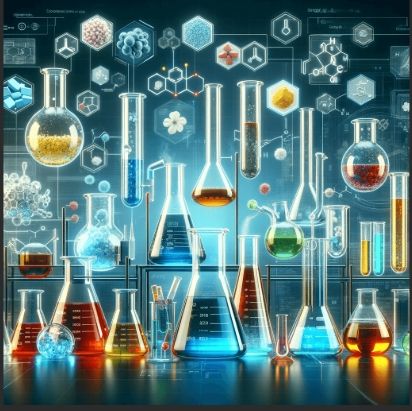
CHEMISTRY LABORATORY – ARTICLEA Chemistry Laboratory is a vital part of science education where theoretical concepts are transformed into practical understanding. It provides students with hands-on experience in chemical reactions, analysis, synthesis, and experimental techniques. The laboratory environment helps learners develop scientific thinking, observation skills, accuracy, and safety awareness.In a well-equipped chemistry laboratory, students perform experiments related to Inorganic, Organic, Physical, and Analytical Chemistry. Activities include qualitative and quantitative analysis, preparation of chemical compounds, titration methods, chromatography, pH determination, reaction kinetics, and identification of elements and functional groups.Safety is a core aspect of chemistry laboratory practice. Students are trained in proper handling of chemicals, use of laboratory equipment such as burettes, pipettes, balances, burners, and fume hoods, and adherence to laboratory safety rules. This ensures responsible experimentation and risk management.The chemistry laboratory also encourages research aptitude and innovation. Through project work, experiments, and demonstrations, students gain exposure to real-world applications of chemistry in industries such as pharmaceuticals, agriculture, food processing, materials science, and environmental protection.Overall, the chemistry laboratory plays a crucial role in shaping skilled chemists, researchers, teachers, and professionals who contribute to scientific and industrial development.The Chemistry Laboratory is a fully equipped facility designed to provide practical training in chemical experiments. It supports learning in organic, inorganic, physical, and analytical chemistry while promoting scientific skills, safety practices, and research-based learning.IMPORTANCE OF CHEMISTRY LABORATORYEnhances understanding of theoretical chemistry conceptsDevelops experimental and analytical skillsEncourages scientific thinking and problem-solvingPromotes laboratory safety and disciplinePrepares students for research, industry, and higher educationSupports innovation and applied science learning.
ACHIEVEMENTS OF INDIAN SCIENTISTS IN CHEMISTRY
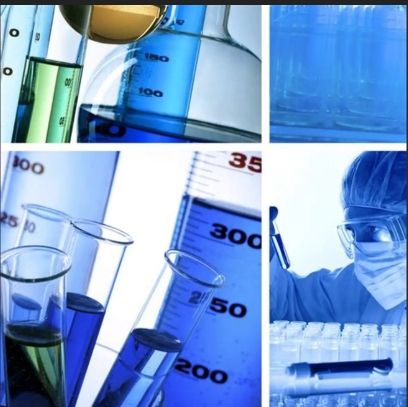
India has made remarkable contributions to the field of chemistry, supported by strong laboratory research culture.Notable Indian Chemists and Achievements1. Acharya Prafulla Chandra RayFather of Indian ChemistryEstablished the first modern chemical research school in IndiaFounded Bengal Chemicals & Pharmaceuticals Pioneered chemical education and laboratory research in India2. Dr. C. V. RamanNobel Prize in Physics (1930) for the discovery of the Raman EffectHis work significantly advanced spectroscopy, widely used in chemical laboratories3. Dr. Asima ChatterjeeRenowned organic chemistDeveloped anti-malarial and anti-epileptic drugsHer laboratory research saved millions of lives4. Dr. Har Gobind KhoranaNobel Prize winner (1968)Contributions to biochemistry and molecular genetics with strong chemical foundations5. Dr. Venkatraman RamakrishnanNobel Prize in Chemistry (2009)Research on ribosome structure, crucial for pharmaceutical chemistry
ROLE OF CHEMISTRY LABORATORIES IN NATIONAL DEVELOPMENTChemistry laboratories in India have played a key role in:Pharmaceutical and vaccine developmentAgricultural fertilizers and pesticidesSpace and nuclear research (ISRO, BARC)Green chemistry and environmental protectionIndustrial and material science innovationsConclusionThe Chemistry Laboratory is the backbone of scientific education and innovation. By combining theory with practice, it nurtures skilled professionals and researchers. The achievements of Indian scientists highlight the importance of laboratory-based learning in building a strong scientific nation.